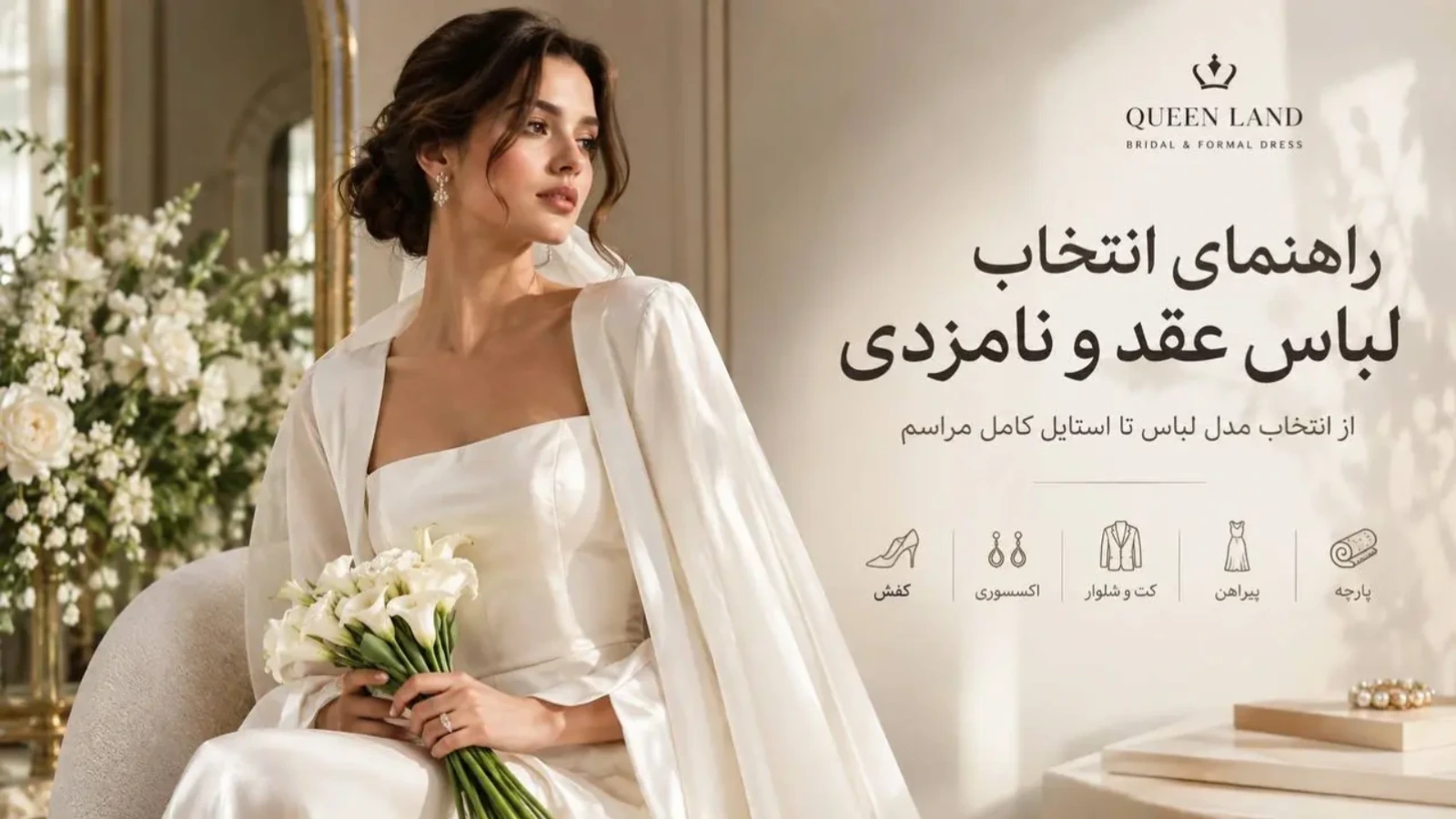
A Guide to Choosing Engagement and Civil Ceremony Dresses: From Choosing the Dress to Creating a Complete Bridal Look
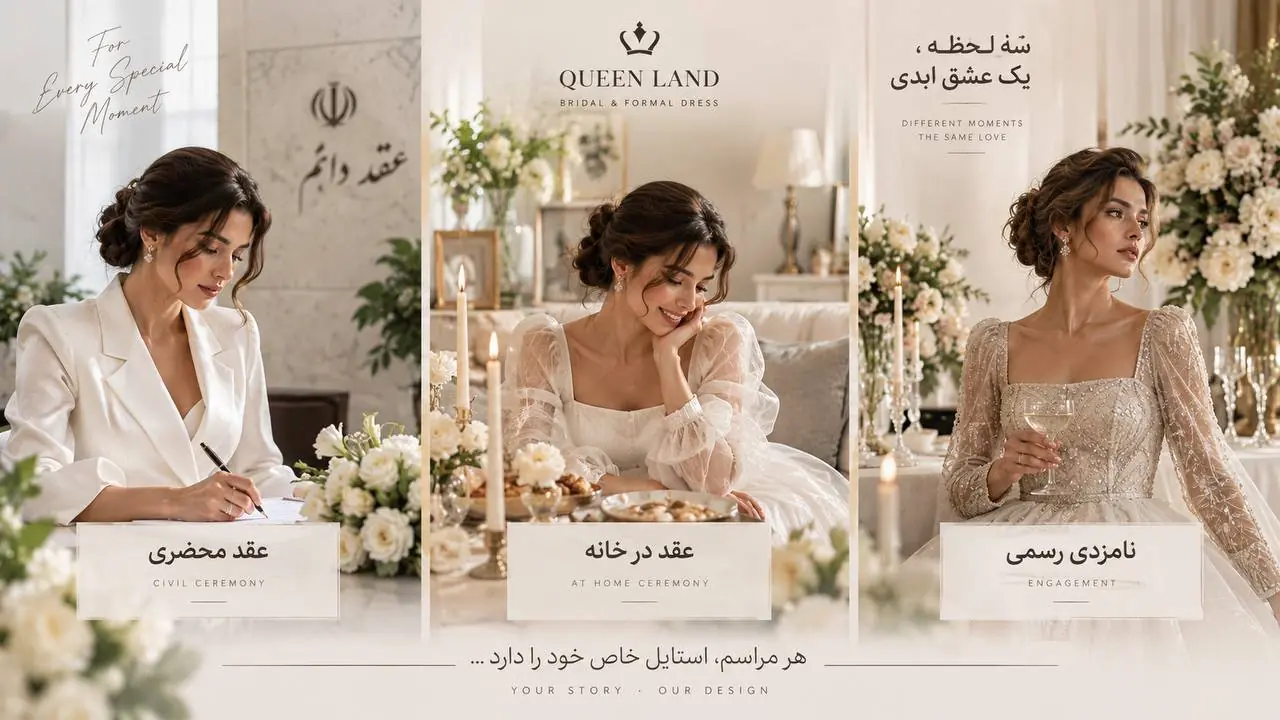
An engagement or civil ceremony dress does not necessarily have to resemble the wedding gown worn at the main wedding celebration. In fact, one of the most important aspects of choosing this outfit is understanding the difference between the type of ceremony, the venue, and the desired level of formality.
A heavily embellished lace dress may be an appropriate choice for a luxurious engagement celebration, while the same dress could feel overly formal for a small civil ceremony or an intimate gathering at home. On the other hand, a minimalist white bridal suit can create a sophisticated look for an urban or civil ceremony, while a traditional or highly formal setting may call for more accessories and decorative details.
Therefore, it is better to begin the selection process with one simple question:
What kind of ceremony is this outfit for, where will it take place, and how formal should the overall look be?
1. Determine the Type of Ceremony Before Choosing the Dress
A common mistake is to choose the dress first and think about the ceremony afterward. It is better to do the opposite.
Your event may fall into one of several categories:
Type of Ceremony | Typical Setting | Suitable Options |
Civil ceremony | Formal, usually shorter and more intimate | Short or midi dress, simple long dress, bridal suit, or jacket-and-skirt set |
At-home ceremony | More intimate and family-oriented | Delicate dress, jacket-and-skirt set, bridal suit, or moderately embellished designs |
Engagement celebration | Highly dependent on the venue and number of guests | Long dress, midi dress, bridal suit, or distinctive separates |
Garden or outdoor ceremony | Influenced by season and weather | Lightweight dresses, fluid fabrics, or structured designs suited to the climate |
Formal venue celebration | More ceremonial and sophisticated | Long dress, luxurious fabrics, refined embellishments, and complete accessories |
This is not a strict classification. The level of formality is often more important than the name of the event. For example, a civil ceremony can be very intimate and simple, or it can be part of a larger formal celebration.
Contemporary bridal guides also feature minimalist designs, separates, and convertible pieces as options for civil and courthouse ceremonies.
2. The Civil Ceremony Dress: A Classic Choice with a Modern Interpretation
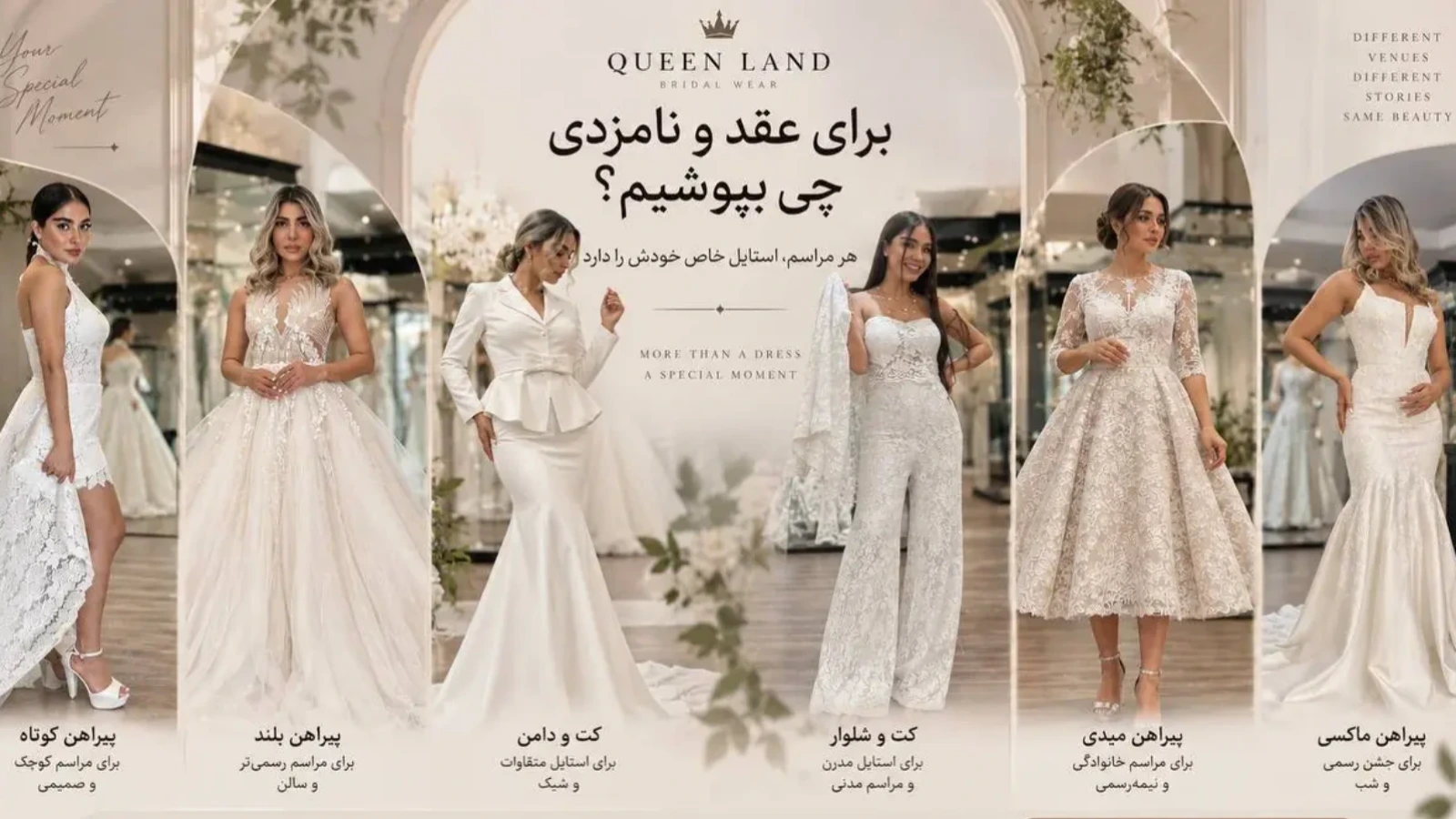
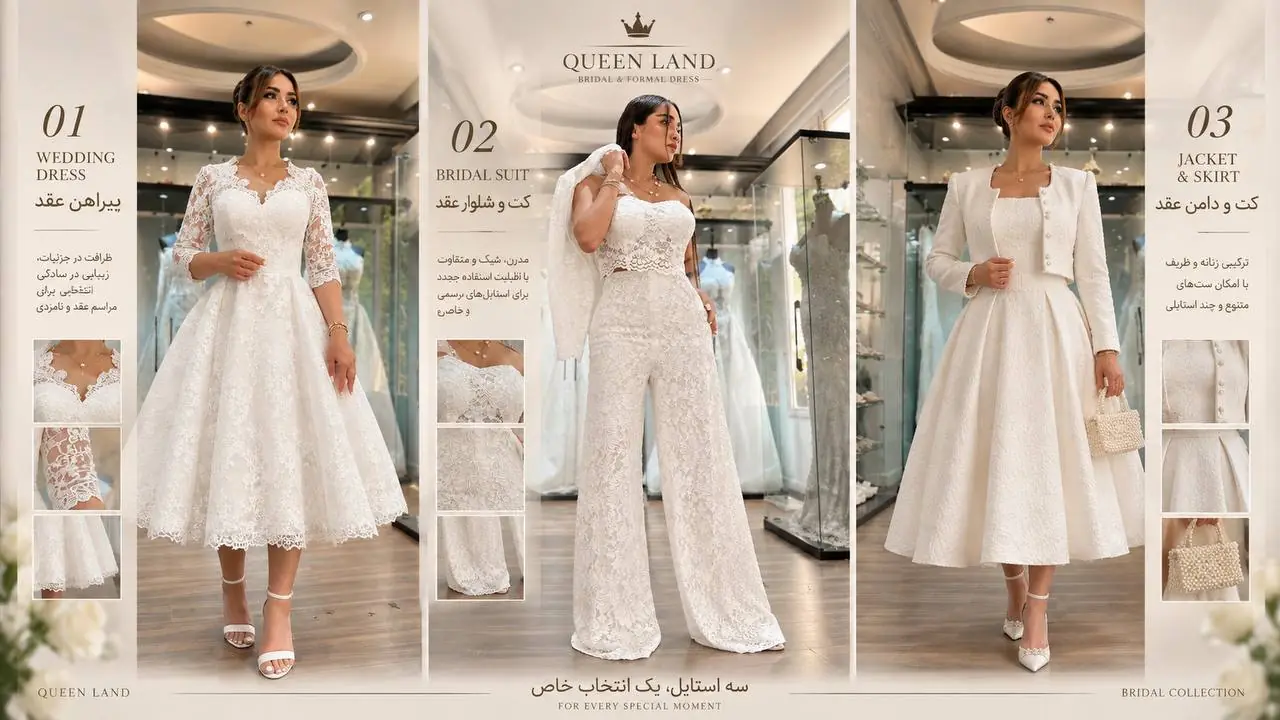
A dress remains one of the most popular choices for a civil ceremony or engagement, but there is no single definition of a “civil ceremony dress.”
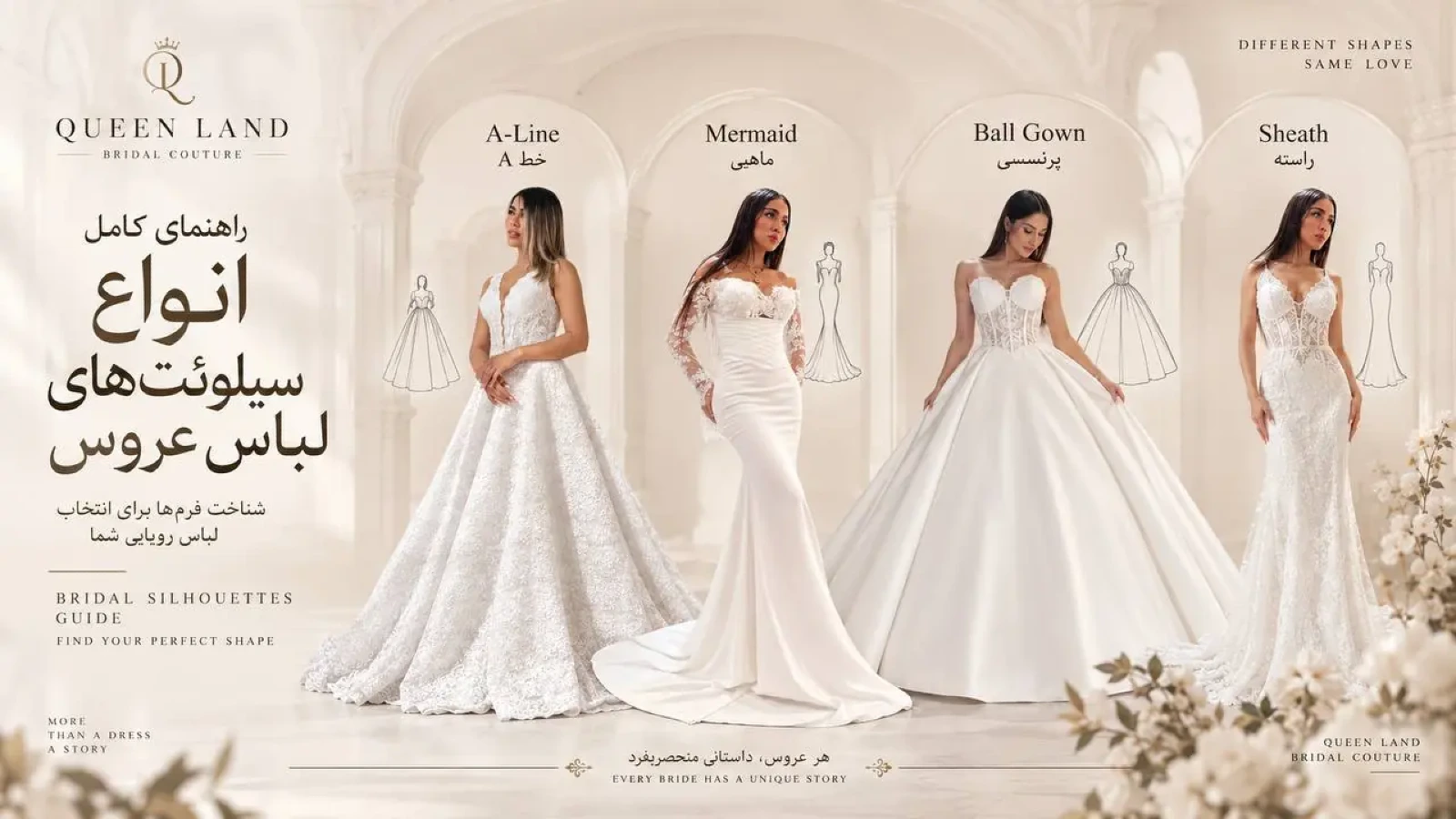
Different styles can include:
Short dresses
Midi dresses
Long dresses
Minimalist designs
Lace and guipure dresses
Satin dresses
Structured corset dresses
Layered and tulle designs
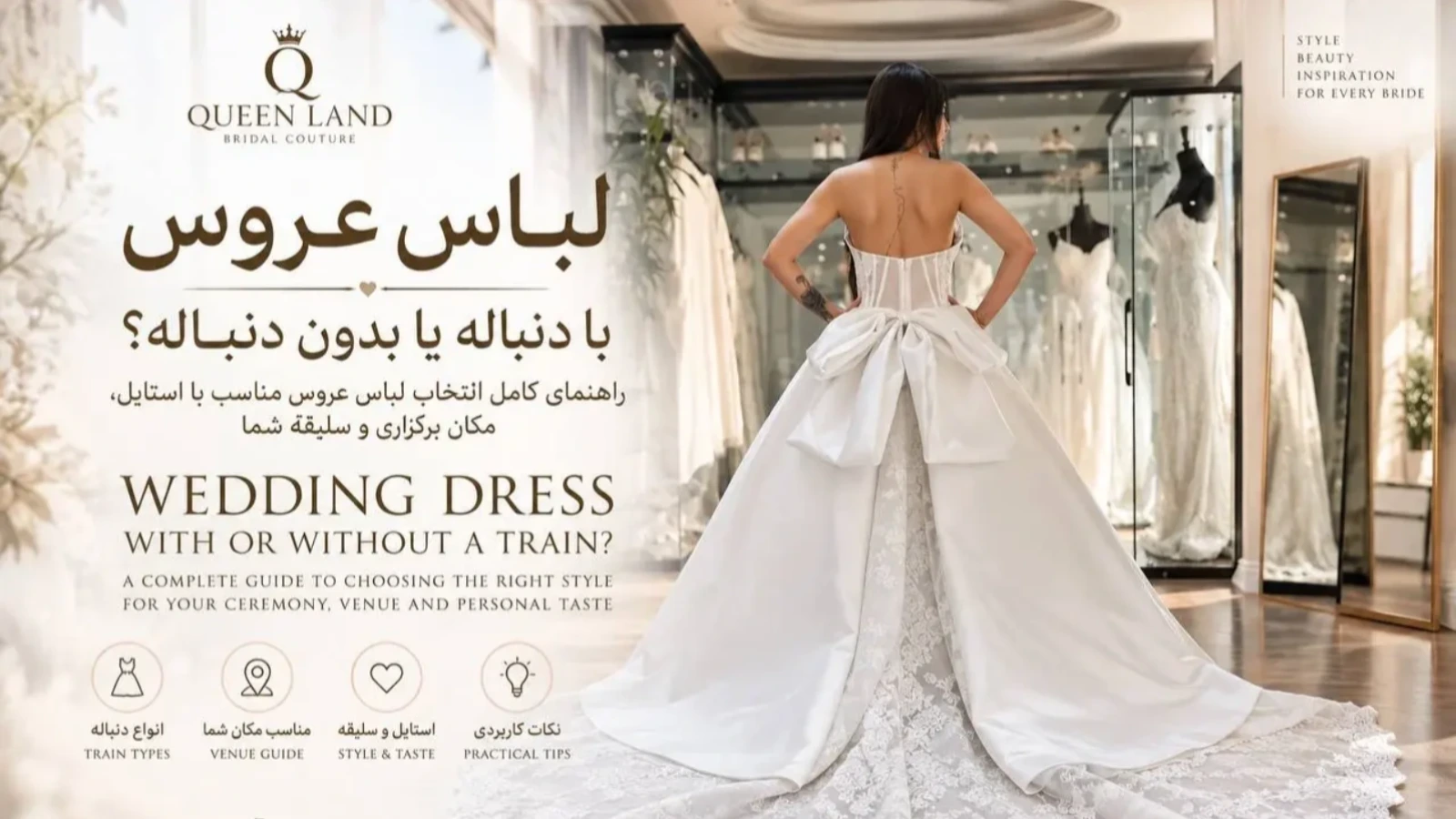
Dresses with detachable jackets, capes, or overskirts
The choice should be based primarily on the venue and level of formality.
For example, a short satin dress can work beautifully for a modern courthouse ceremony, while a long lace or guipure dress may be better suited to a more formal celebration.
When choosing fabric, do not consider only how it looks on the hanger. Fabric directly influences the drape, movement, final silhouette, and the way the dress appears in photographs.
3. The Bridal Suit: A Modern and Versatile Choice
A bridal suit is no longer simply an alternative to a dress. For brides who prefer a modern, minimalist, or structured aesthetic, it can become the central element of the entire civil ceremony look.
Combinations such as:
White blazer + white trousers
or
Structured jacket + straight-leg or wide-leg trousers
can create a sophisticated bridal appearance.
The level of formality can also be changed through accessories, allowing a simple suit to become a more ceremonial look.
Vogue’s bridal suit guides feature a range of bridal tailoring, from white tuxedo-inspired looks to coordinated separates and structured designs, including options suitable for civil ceremonies and other wedding-related events.
When Is a Bridal Suit a Good Choice?
A bridal suit may be worth considering if you:
Prefer a minimalist aesthetic;
Do not want an overly traditional bridal appearance;
Value versatility and reusability;
Are having a civil or urban ceremony;
Want a more distinctive and contemporary look.
However, the cut and tailoring of the suit are extremely important. A simple suit with poor tailoring may not look luxurious even when made from an expensive fabric.
4. The Jacket-and-Skirt Set: Between a Dress and a Suit
If you like the structure of tailoring but do not want to move too far away from the feminine elegance of a dress, a jacket-and-skirt set can provide a balanced alternative.
Possible combinations include:
Cropped jacket + long skirt
Structured jacket + midi skirt
Lace jacket + simple skirt
Minimalist jacket + embellished skirt
Matching-fabric jacket and skirt
Coordinated pieces in contrasting textures
One of the main advantages is that each part can be fitted and proportioned separately, allowing greater control over the overall silhouette.
5. Convertible Bridal Looks: When One Outfit Offers Multiple Styles
For a civil ceremony, the dress does not necessarily have to remain exactly the same throughout the event.
A single look can create multiple appearances by changing or removing one component, such as:
Jacket + trousers + skirt
or:
Dress + detachable jacket
or:
Dress + overskirt
These designs are particularly useful when the celebration has multiple stages.
For example, a bride can wear a jacket or overskirt during the formal portion of the ceremony and remove it later for a lighter, more relaxed look.
This approach is also reflected in contemporary civil bridal collections, where detachable jackets, capes, sleeves, and trains are used to create more versatile looks.
6. Choosing the Fabric: Beauty Alone Is Not Enough
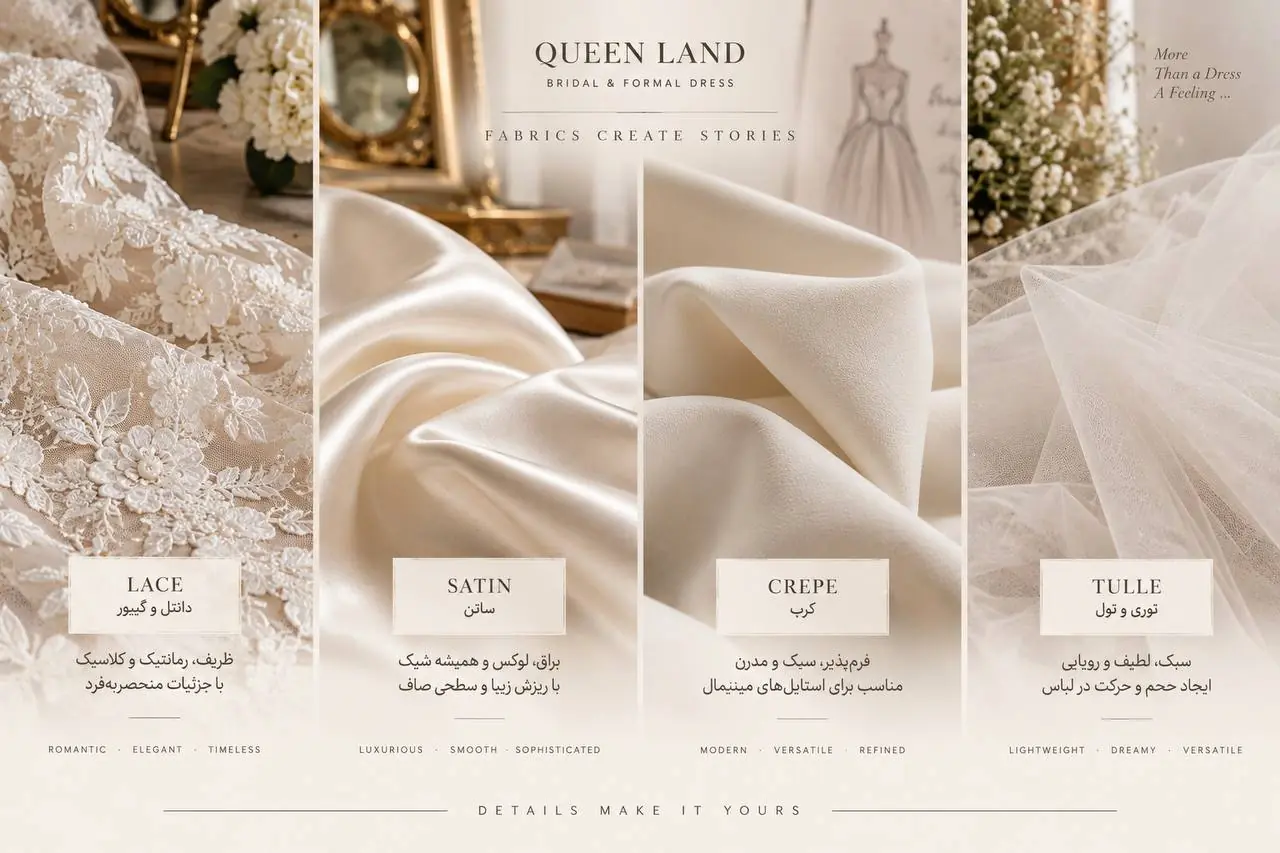
Fabric is one of the elements that can completely transform the appearance of a dress.
Lace and Guipure
They can work beautifully for:
Romantic styles
Delicate looks
Classic aesthetics
Detailed designs
However, the density, thickness, transparency, and pattern of the lace are extremely important. Two dresses described simply as “lace” can differ significantly in weight, texture, transparency, and formality.
Satin
Satin works well for:
Minimalist styles
Clean silhouettes
Luxurious looks
Structured or fluid designs
An important point is that satin does not refer to one specific fiber; it refers to a type of weave or surface construction and can be produced using different fibers.
Crepe
Crepe can be particularly suitable for designs that require a clean appearance and controlled drape.
Tulle
Tulle can be used for:
Sleeves
Overlay layers
Skirts
Capes
Veils
Its softness and structure can vary considerably, so simply seeing the word “tulle” is not enough to determine how it will perform in a particular design.
Mikado and Other Structured Fabrics
If you want a defined silhouette, a structured skirt, or a more formal appearance, structured fabrics can be particularly useful. Mikado is widely used in structured bridal silhouettes because of its weight and body.
7. The Color of the Civil Ceremony Dress: White Is Not the Only Option
White remains one of the most traditional bridal choices, but white is not a single shade.
Options can include:
Pure white
Ivory
Cream
Soft off-white
Light champagne
The final choice can be influenced by skin tone, venue lighting, décor, and the overall color palette of the celebration.
8. Do Not Forget the Season and Time of the Ceremony
A dress may look beautiful but still be unsuitable for the time or location of the ceremony.
For summer events, fabric weight and breathability become more important. In colder weather, heavier and more structured fabrics may provide greater practicality.
When choosing fabric, factors such as season, silhouette, formality, and budget should be considered together.
A Practical Tip
If the ceremony takes place outdoors, do not think only about how the dress looks while standing still.
Consider how it performs during:
Walking + sitting + climbing stairs + moving your arms + taking photographs
This becomes especially important with very long skirts, restrictive sleeves, and heavy garments.
9. Choose Accessories After Selecting the Dress
A common mistake is to choose the tiara, shoes, or jewelry first and then try to make the dress work with them.
It is usually better to select the dress first and coordinate the accessories afterward.
For example:
Dress Characteristic | Suggested Accessories |
Heavily embellished dress | More delicate jewelry |
Minimalist dress | Statement earrings or a distinctive accessory |
Open neckline | Necklace or suitable earrings |
High neckline | Greater emphasis on earrings |
Simple bridal suit | Shoes, handbag, or hair accessories can become focal points |
Lace dress | Delicate accessories that complement the texture |
The goal is not for everything to compete for attention. The goal is for the dress, accessories, and face to work together as one cohesive look.
10. Do Not Choose Shoes Based on Appearance Alone
A civil ceremony or engagement celebration may involve considerable standing and walking.
When choosing shoes, consider:
Heel height
Toe shape
Heel stability
Shoe weight
Compatibility with dress length
How long the shoes will be worn
If the dress is long, the shoe height should ideally be determined before the final hem length is established.
11. The Bridal Look Should Suit the Ceremony, Not Just the Trend
Trends can provide inspiration, but they should not replace personal decision-making.
For example, bridal suits, convertible separates, and minimalist designs are increasingly visible in contemporary bridal fashion, particularly for modern and civil celebrations.
That does not mean every bride should wear a suit.
A better question is:
Does this style reflect my personality, suit the atmosphere of my ceremony, and create the kind of visual memory I want from this day?
The most successful bridal look is one that feels appropriate to both the occasion and the person wearing it.
12. Coordinate the Bride and Groom’s Looks
Coordination does not mean wearing identical colors or details.
Instead, consider sharing a few visual elements:
White or ivory tones
Accessory colors
Fabric character
Overall level of formality
Metallic details
Floral or décor colors
For example, if the bride is wearing a minimalist ivory look, an extremely glossy and highly formal groom’s suit may create too much visual contrast.
The objective is overall harmony, not identical styling.
13. What Should You Wear for Different Types of Ceremonies?
Ceremony Setting | Options to Consider | Main Consideration |
Small civil ceremony | Short, midi, bridal suit, jacket-and-skirt set | Simplicity and comfort |
Formal civil ceremony | Midi/long dress, structured bridal suit | Polished and formal appearance |
At-home ceremony | Delicate dress, jacket-and-skirt set, convertible look | Harmony with the intimate setting |
Family engagement | Dress, jacket-and-skirt set, bridal suit | Balance between elegance and formality |
Luxurious engagement | Long dress, lace, satin, or embellished designs | Level of embellishment |
Garden ceremony | Lightweight dress, fluid or structured designs suited to the season | Ease of movement |
Multi-stage celebration | Convertible look or detachable pieces | Ability to change the look |
14. Ask Yourself These 7 Questions Before Finalizing Your Outfit
□ Where exactly is the ceremony taking place?
□ How many hours will I be wearing the outfit?
□ Will I spend most of the time sitting, standing, or walking?
□ What will the season and temperature be like?
□ Does the outfit match the formality of the event?
□ Have the shoes and accessories been considered before the final fitting?
□ Does this outfit genuinely reflect my personal style, or am I choosing it simply because it is trending?
Common Mistakes to Avoid When Choosing an Engagement or Civil Ceremony Outfit
Do Not Choose Based on Photos Alone
A dress may look beautiful in a photograph but appear completely different on your body, under the lighting of the venue, or while moving.
Do Not Choose Fabric Based Only on Its Name
“Satin,” “lace,” or “tulle” alone do not provide enough information about weight, fiber composition, structure, drape, or quality.
Do Not Separate the Dress from the Setting
The dress should be part of the overall visual story of the ceremony.
Do Not Overload the Look with Accessories
If the dress already has significant detailing, adding several statement accessories can disturb the balance of the outfit.
Do Not Sacrifice Comfort for Appearance
Comfort does not mean wearing a simple dress. It means choosing an outfit that functions well throughout the ceremony.
Conclusion
Choosing an engagement or civil ceremony outfit does not begin with finding a beautiful dress. It begins with understanding the ceremony.
Once the venue, timing, season, level of formality, and personal style have been established, choosing between a dress, bridal suit, jacket-and-skirt set, or convertible look becomes much easier.
The next step is to consider fabric, color, silhouette, shoes, and accessories together so that the result is not simply a beautiful garment, but a complete and cohesive bridal look for the occasion.
At Queen Land, engagement and civil ceremony styling can range from delicate dresses to bridal suits, jacket-and-skirt sets, and versatile multi-piece looks. What matters most is that the final choice reflects the ceremony, the bride’s personality, and the practical needs of the outfit.
Frequently Asked Questions
Is a short or long dress better for a civil ceremony?
There is no universal answer. The length should correspond to the formality of the ceremony, the venue, and the bride’s personal style. Short and midi dresses can be practical for smaller ceremonies, while long dresses and structured designs can work well for more formal occasions.
Is a bridal suit suitable for a civil ceremony?
Yes. A bridal suit can work beautifully for civil ceremonies, urban celebrations, and some more formal events. Fabric, tailoring, and accessories influence its overall level of formality.
Which fabric is best for a civil ceremony dress?
Rather than identifying one fabric as universally “best,” consider the fabric in relation to the silhouette, season, venue, budget, and level of formality. Lace, satin, crepe, tulle, and Mikado all have different characteristics.
Does a civil ceremony dress have to be white?
No. White, ivory, and other soft off-white shades are common bridal choices, but the final color can be selected according to personal preference, skin tone, venue lighting, and the overall aesthetic of the ceremony.
Can I choose a convertible outfit for my civil ceremony?
Yes. Detachable jackets, capes, overskirts, and sleeves can allow a bride to create different looks throughout the celebration.